

Aesthetics & Libido, Peptides, PT-141
How PT-141 Peptide Works: Mechanism of Action, Receptor Activity, and Research Insights
Summarize the article with:
 ChatGPT
 Claude
 Perplexity
 Google AI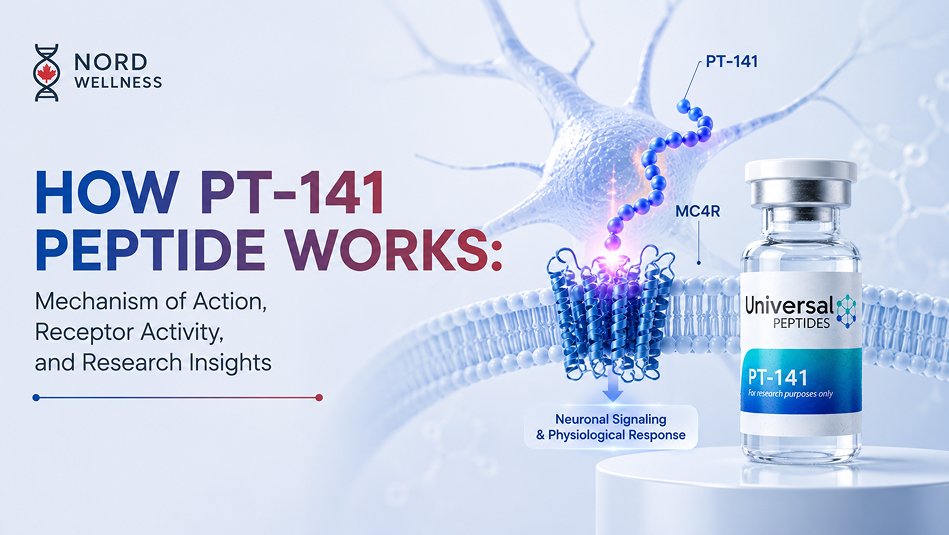
Jun
PT-141, also known as Bremelanotide, is a synthetic research peptide that has attracted considerable attention for its unique central mechanism in sexual health and neuroendocrine studies. Unlike medications that act peripherally, PT-141 works directly in the brain, influencing sexual motivation, arousal, and related behaviors. In this article, we explore how PT-141 peptide works, its receptor activity, and current research insights, providing a detailed resource for scientists and clinicians interested in peptide research.
For more detailed information and resources on research peptides, visit Nord Wellness
What Is PT-141 Peptide?
PT-141 is a 7-amino acid cyclic peptide derived from melanocortin receptor agonists. In particular, it was originally developed to explore central melanocortin pathways in the brain, which are known to influence sexual behavior, mood, and motivation.
Key characteristics include:
- Central activity: Unlike phosphodiesterase type 5 inhibitors (e.g., Viagra), PT-141 does not target peripheral blood flow.
- Receptor specificity: PT-141 selectively targets melanocortin receptors (MC1R, MC3R, MC4R), with MC4R being most relevant to sexual function.
- Research utility: PT-141 serves as a tool for studying the relationship between receptor activation, behavior, and neuroendocrine output.
👉 Explore PT-141 Peptide for research purposes at PT-141 Peptide
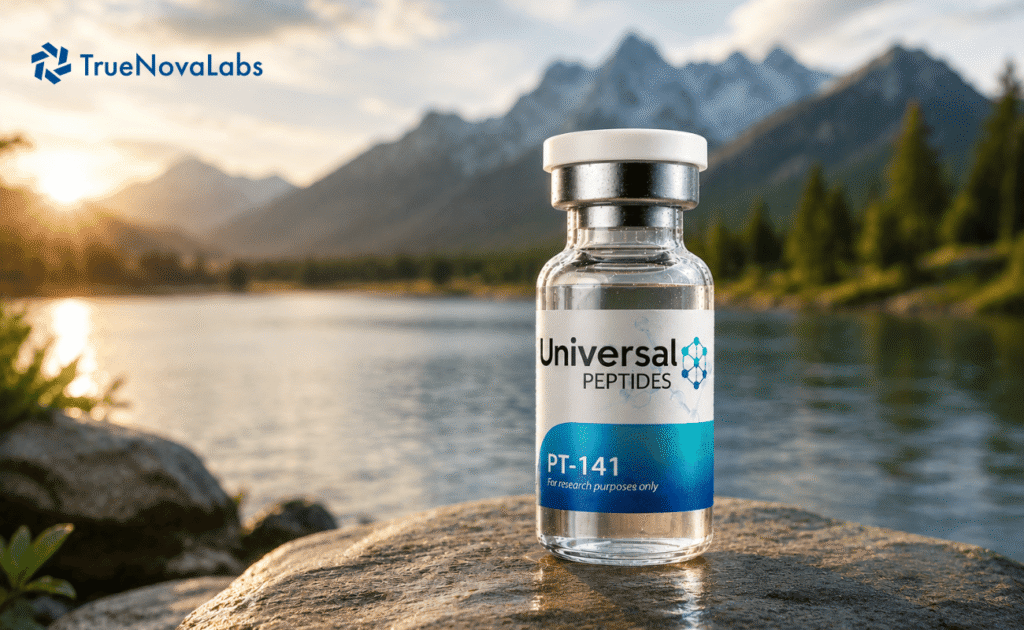
PT-141 Peptide Mechanism of Action
The primary mechanism of PT-141 involves activation of central melanocortin receptors in the hypothalamus. In turn, this region serves as a key regulator of sexual desire and motivation.
Key steps in its mechanism include:
- Receptor binding: PT-141 binds to melanocortin receptors, predominantly MC4R, initiating intracellular signaling cascades.
- Neurotransmitter modulation: This activation influences dopamine, nitric oxide, and serotonin pathways, which play critical roles in sexual behavior and reward.
- Behavioral effects: Activation of these pathways can lead to increased sexual motivation, arousal, and receptivity, as demonstrated in animal models and early clinical studies.
- Non-vascular action: PT-141’s central mechanism means it does not rely on blood flow changes, distinguishing it from traditional ED medications.
This central approach allows researchers to study sexual function from a neuroendocrine perspective, providing insights into both physiological and behavioral responses.
Melanocortin Receptors and PT-141 Activity
Melanocortin receptors (MCRs) are G-protein-coupled receptors with widespread expression in the brain and peripheral tissues. Specifically, PT-141 interacts with multiple MCR subtypes:
- MC1R: Primarily associated with skin pigmentation; minor role in sexual behavior.
- MC3R: Influences energy balance and reward signaling; may contribute indirectly to sexual motivation.
- MC4R: Main receptor involved in sexual desire; PT-141’s activation enhances arousal and motivation in research models.
Understanding these receptor interactions helps explain PT-141’s central, non-hormonal effects and its potential as a research tool beyond sexual health, including studies in mood, stress response, and behavioral neuroscience.
👉 Explore PT-141 Peptide for research purposes at PT-141 Peptide
Factors That May Influence PT-141 Effects
Several factors can affect PT-141’s activity and observed effects in research:
- Dose and administration: Most studies use subcutaneous injections, with dose-response carefully controlled.
- Species and sex differences: Animal studies show varying sensitivity; human responses can differ between males and females.
- Baseline neuroendocrine status: Hormonal environment, stress levels, and receptor expression may modulate PT-141’s efficacy.
- Experimental context: Behavioral assays, timing of administration, and environmental stimuli can influence observed outcomes.
Researchers must account for these variables in order to ensure accurate interpretation of PT-141 effects.
Current PT-141 Research Findings
PT-141 has been studied in preclinical and clinical contexts:
- Sexual motivation and desire: Studies show increased libido and sexual activity in both male and female models.
- Female sexual arousal disorder (FSAD): Early clinical trials indicate PT-141 may improve desire and arousal in women with HSDD.
- Mood and stress modulation: Research suggests potential benefits on stress response and anxiety, likely mediated by central melanocortin pathways.
- Non-vascular mechanism confirmed: Unlike vasodilators, PT-141 does not significantly affect blood pressure or peripheral circulation, reducing cardiovascular risk in research settings.
Ongoing studies continue to explore long-term safety, dose optimization, and broader neurobehavioral effects.
For a deeper look into PT-141’s full benefits, mechanism, and current research findings, check out our dedicated article: PT-141 Peptide Benefits: Mechanism, Research Findings, and Potential Applications
FAQ About How PT-141 Peptide Works
How does PT-141 differ from Viagra or other ED medications?
PT-141 acts centrally on melanocortin receptors to increase sexual desire, unlike Viagra, which primarily affects peripheral blood flow.
Can PT-141 be used outside research settings?
No. PT-141 is strictly a research peptide and should not be used outside approved laboratory or clinical studies.
What factors influence PT-141’s effects?
Dose, sex differences, baseline neuroendocrine status, and experimental context can all affect PT-141 outcomes in research. Therefore, these factors must be carefully considered when designing and interpreting studies
How is PT-141 administered in studies?
Typically via subcutaneous injection, with dosing carefully controlled in research protocols to ensure safety and reproducibility.
Are there any long-term safety studies?
Long-term human safety data are limited; most studies focus on short-term effects and behavioral outcomes, including mild nausea, flushing, and transient blood pressure changes.
Final Thoughts
PT-141 remains a valuable research peptide due to its central mechanism and ability to probe melanocortin pathways in sexual behavior and neuroendocrine studies. Ongoing research will clarify its potential applications, optimal dosing, and broader implications for behavioral neuroscience.
For more detailed resources and peptide research guides, visit Nord Wellness
Disclaimer
This content is provided by Nord Wellness for educational and research purposes only. PT-141 Peptide is not approved for the diagnosis, treatment, cure, or prevention of any disease.


This was a very informative explanation of how PT-141 works and the signaling pathways involved. I appreciated that the article focused on receptor interactions and neuropeptide activity rather than making exaggerated claims. The discussion around melanocortin receptor signaling provided a much clearer understanding of why PT-141 continues to attract interest in peptide research.
Great article overall. Many discussions about PT-141 focus only on potential effects, but this piece did a great job explaining the underlying biological mechanisms and receptor-mediated signaling. I’d be interested in reading more content comparing PT-141 with other peptides studied within the melanocortin system.
Really enjoyed reading this article. The explanation of cellular signaling, receptor activation, and neuroendocrine communication was detailed enough to be educational while still remaining easy to follow. It’s refreshing to find peptide content that stays science-focused and accessible to readers who want to learn more about peptide mechanisms.